Top AI Accounting Software in 2026
AI has moved from experiment to infrastructure in accounting. This 2026 guide breaks down the top AI tools finance teams are using to automate the close, reconciliation, AP, AR, audit, and compliance, updated with the latest funding, customers, and new entrants.


By 2026, AI has gone from experiment to infrastructure in the accounting function. The close is faster, reconciliations increasingly run themselves, and for most teams the question is no longer whether to adopt AI, but which tools actually deliver auditable work. AI is reshaping the entire finance tech stack, and nowhere is that transformation more visible than in accounting.
The market matured fast. Over the past year, the leading AI-accounting platforms raised some of the largest rounds in the category and shifted from copilots that suggest to agents that execute, while weaker players consolidated. The result is a clearer picture of which tools are built for real, auditable finance work.
Many accounting teams still start with ChatGPT or similar tools. They ask for help with a formula, scan a policy, or drop in a spreadsheet. The results are often hit or miss and usually require more time to audit and fix than doing the task manually.
AI agents are different. Unlike general-purpose chatbots, AI accounting agents are built specifically for finance workflows. They understand accounting logic, connect directly to your ERP, and execute tasks like reconciliation, reporting, and variance analysis with precision. As the category has matured, teams have moved beyond experimentation and into daily execution, shortening close timelines, flagging issues before they become blockers, and eliminating hours of manual rework.
This post outlines where AI agents and AI-native platforms are driving results in accounting in 2026. From close and reconciliation to AP, AR, and audit support, these are the tools and workflows already delivering impact. (Funding and customer details reflect the latest public information as of this update.)
Concourse – AI Agents for accounting
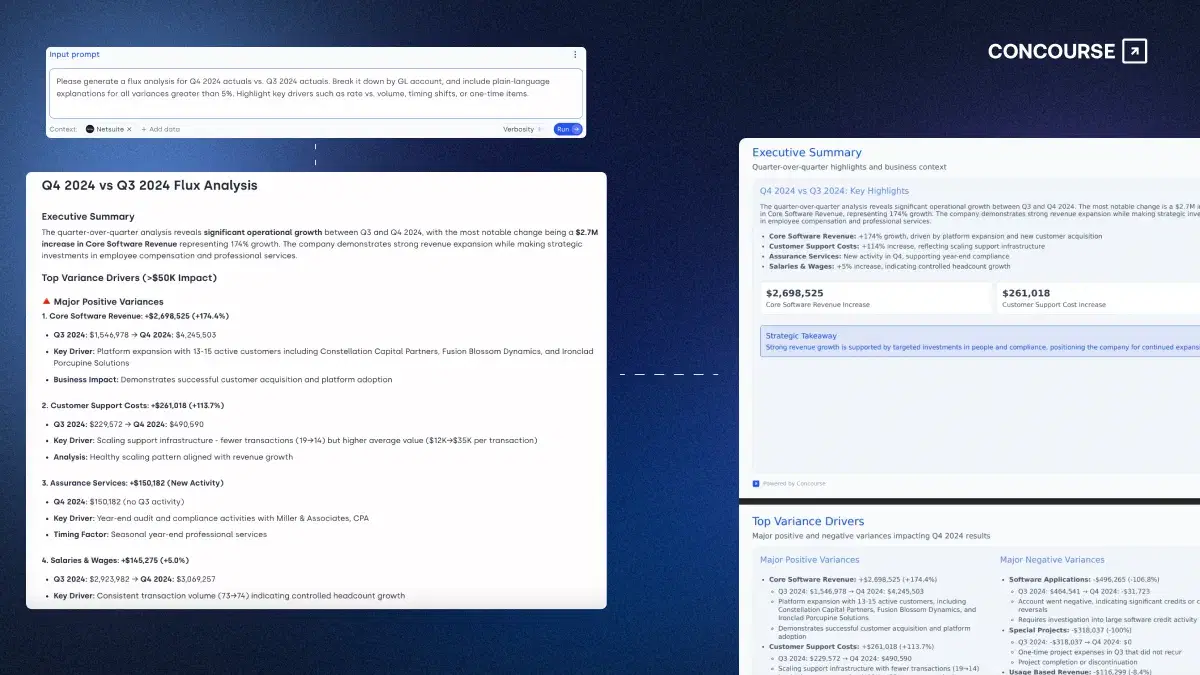
Concourse builds AI agents for corporate finance teams that sit on top of existing systems, transforming structured data into real-time insights through natural language.
Use Cases: Concourse connects to ERPs, accounting platforms, AP and AR systems, and close management tools to automate core finance workflows: real-time financial reporting, automated forecasting, account reconciliation, and variance analysis. Built for teams using tools like NetSuite, QuickBooks, and SAP, Concourse turns structured data into clean, actionable insights without manual prep.
Best For: Mid-market to enterprise finance teams with fragmented systems and growing complexity across close, reporting, and planning.
Customers: Palo Alto Networks, Front, Tecovas
Funding: $12M Series A led by Standard Capital, with participation from Andreessen Horowitz, CRV, Y Combinator, and SV Angel, announced alongside general availability of the platform in early 2026.
Close Management
Numeric
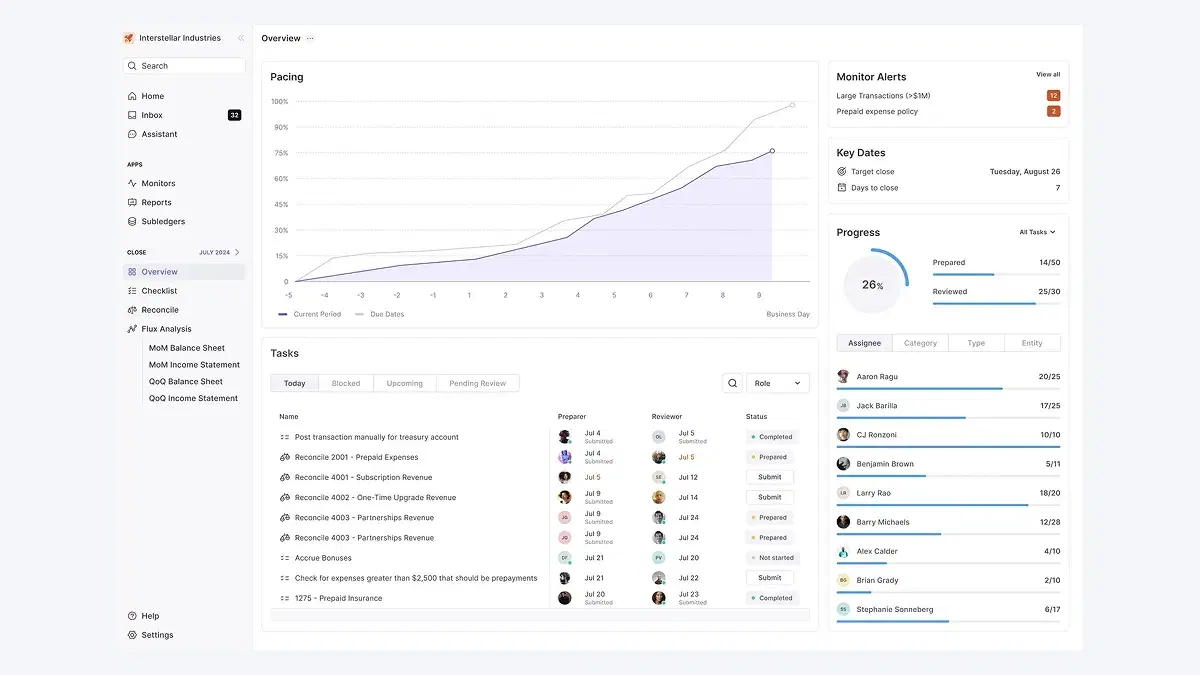
Numeric automates financial close workflows by categorizing transactions, reconciling accounts, and generating audit-ready documentation.
Use Cases: Uses AI to tag transactions, build workpapers, and streamline close checklists, reducing reliance on manual spreadsheets. In 2025 it began expanding from close management into a broader finance platform.
Best For: Accounting teams managing high transaction volumes or multi-entity structures who want to accelerate close timelines and improve data accuracy.
Customers: Brex, OpenAI, Plaid, Wealthfront
Funding: ~$89M total, including a $51M Series B led by IVP (with Menlo Ventures, Founders Fund, and others) in late 2025.
Truewind
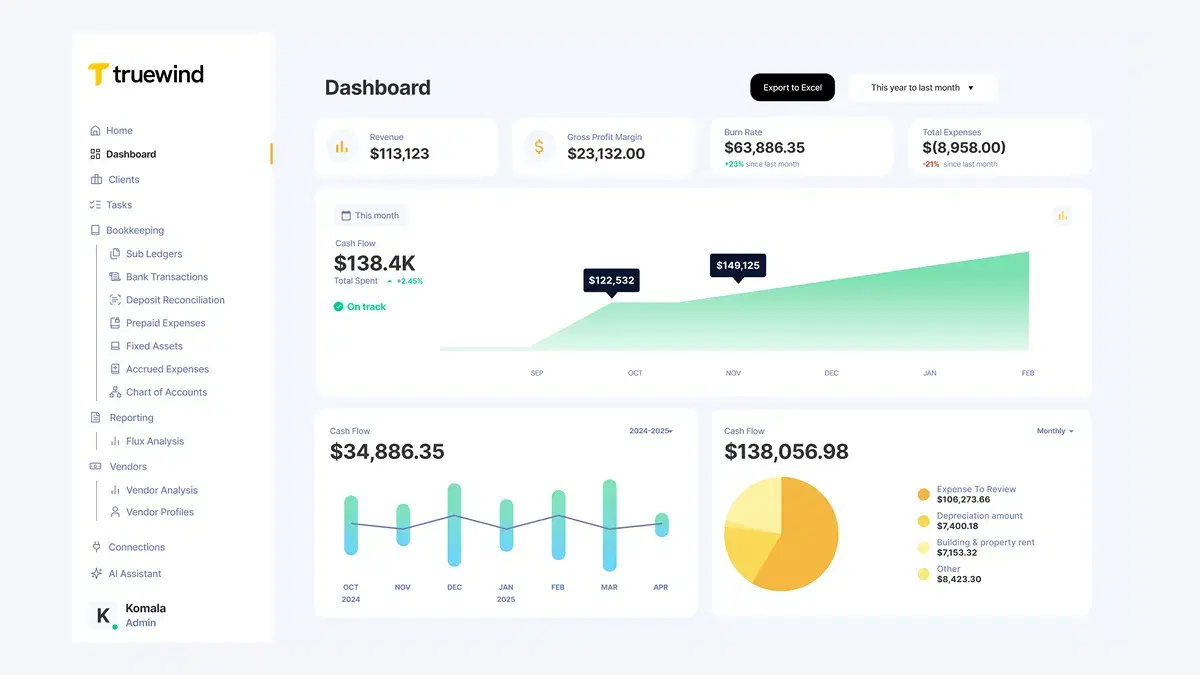
Truewind is a digital staff accountant that helps finance teams automate reconciliations and streamline close workflows.
Use Cases: Accounting teams use Truewind to accelerate reconciliations and generate AI-powered workpapers, reducing manual effort and shortening time to close.
Best For: Accounting firms and in-house finance teams looking to scale operations and speed up close cycles without hiring more headcount.
Customers: EisnerAmper, Frank Rimerman, Wefunder, Mozart Data
Funding: $17M total, including a $13M Series A co-led by Rho Capital and Thomson Reuters Ventures, with participation from Fin Capital, Y Combinator, and others.
Accounting Platforms
Puzzle
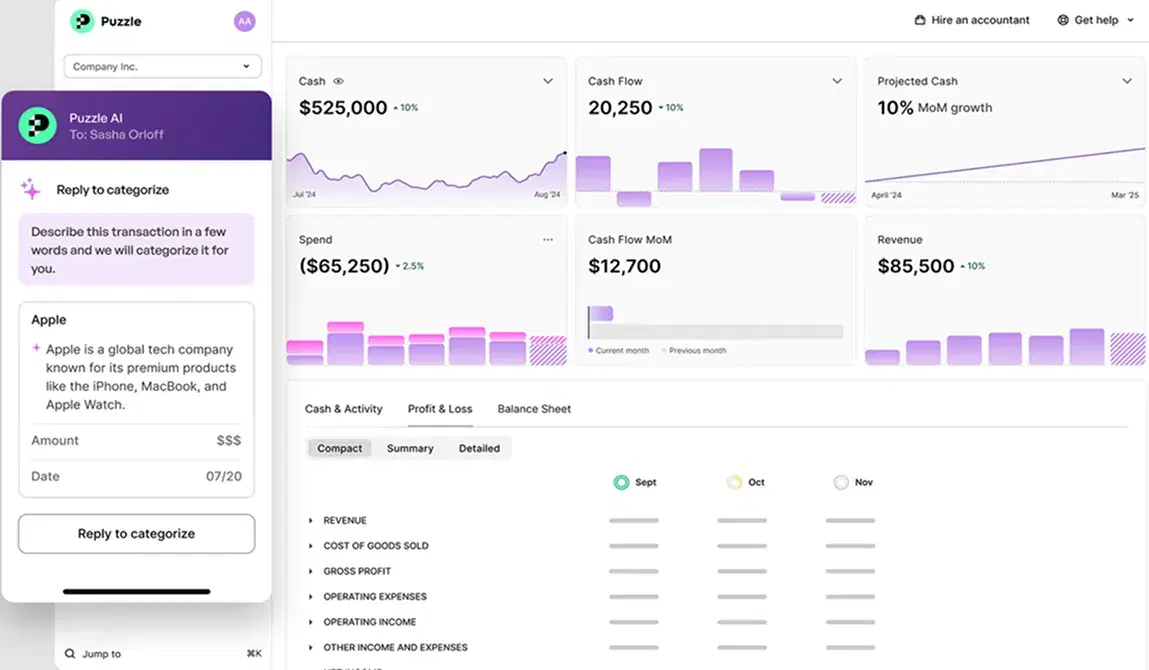
Puzzle delivers real-time accounting by syncing financial data from banks, payroll, and payments to keep books continuously updated.
Use Cases: Automates reconciliation, categorizes transactions, and delivers live financials to help startups stay investor-ready. In 2025–2026 it shipped an AI Suite, including AI-assisted close.
Best For: Founders and early-stage finance teams who want clean, GAAP-compliant books without waiting for month-end.
Customers: 7,000+ startups and accounting firms
Funding: ~$66.5M total, including a $30M round led by S32 and XYZ Capital, with participation from General Catalyst, FOG Ventures, and more.
Campfire
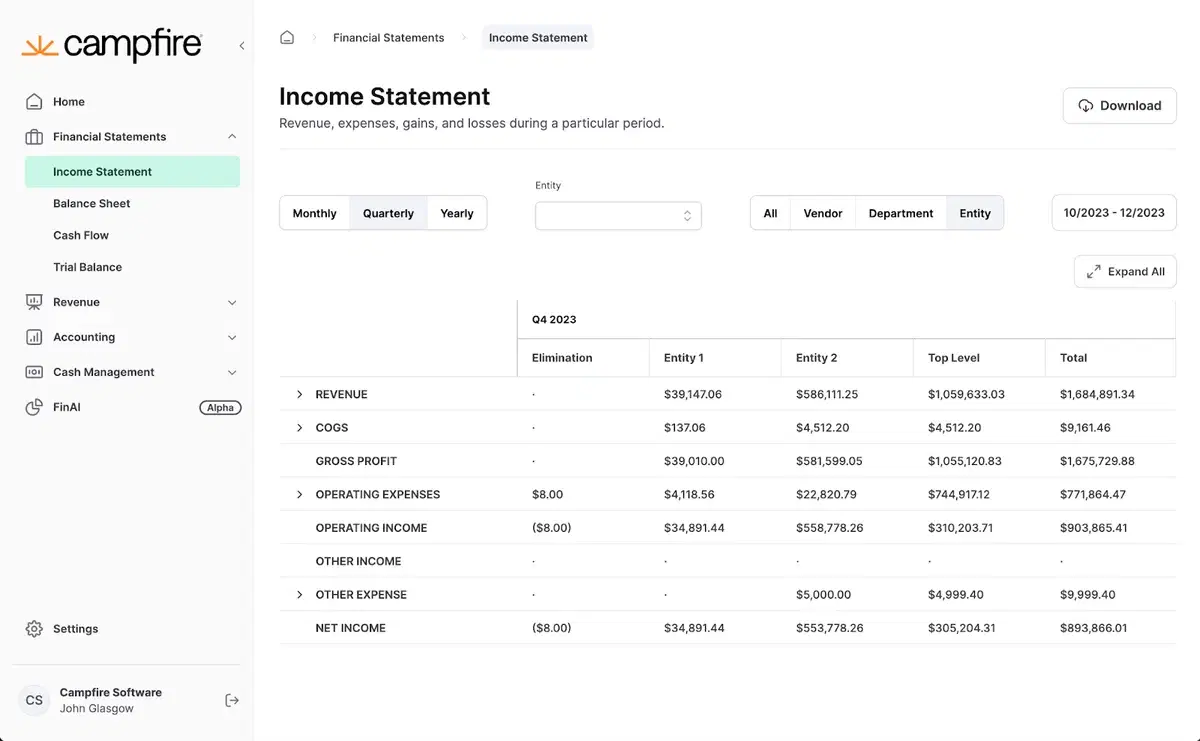
Campfire is an AI-native ERP winning high-growth startups off legacy systems like NetSuite, unifying the general ledger, close, and revenue workflows.
Use Cases: Automates the general ledger, reconciliations, and revenue recognition inside an AI-first ERP, with a natural-language layer for reporting and analysis.
Best For: Fast-growing startups and mid-market finance teams looking to replace legacy ERPs with an AI-native system.
Funding: Over $100M total, including a $65M Series B co-led by Accel and Ribbit Capital, following a $35M Series A led by Accel. Both rounds closed in 2025.
DualEntry
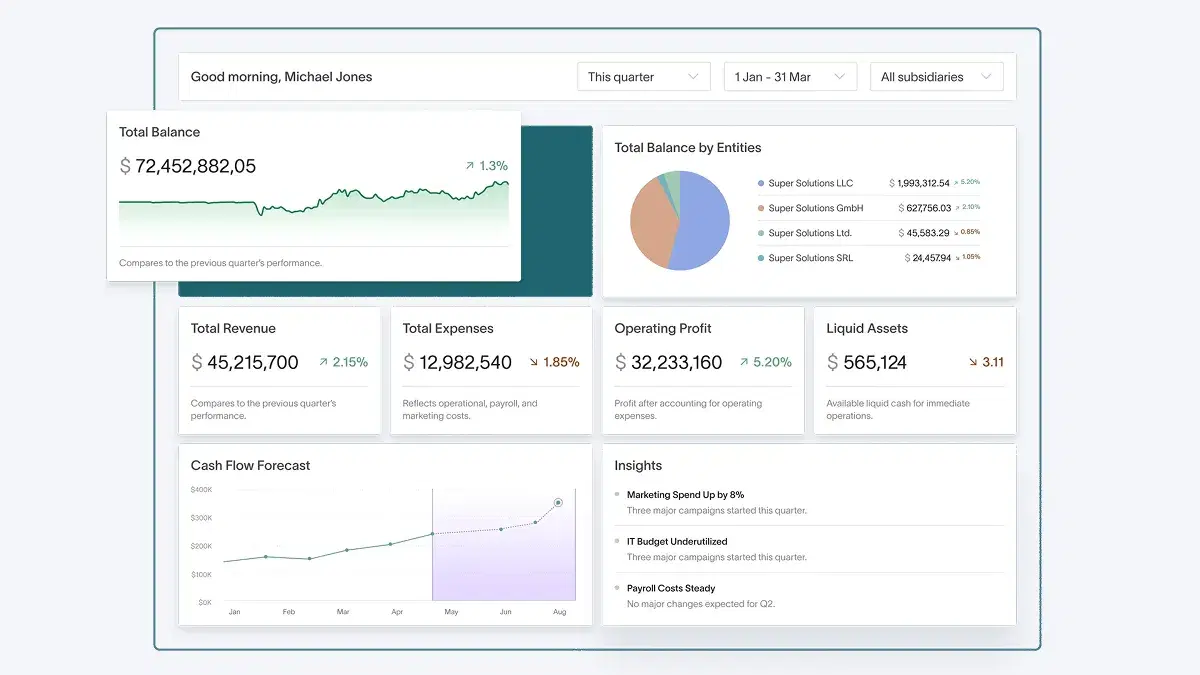
DualEntry is an AI-native ERP and general ledger platform that automates bookkeeping through direct banking, payroll, and commerce integrations.
Use Cases: Automatically syncs transactions, matches bank activity, handles ledger entries and eliminations, and reduces manual work across financial systems.
Best For: Mid-market finance teams and multi-entity companies looking to replace legacy ERPs and keep clean records with minimal manual input.
Customers: Trillion Digital, Slash
Funding: ~$100M total, including a $90M Series A led by Lightspeed Venture Partners and Khosla Ventures (with GV) after emerging from stealth in October 2025.
Rillet
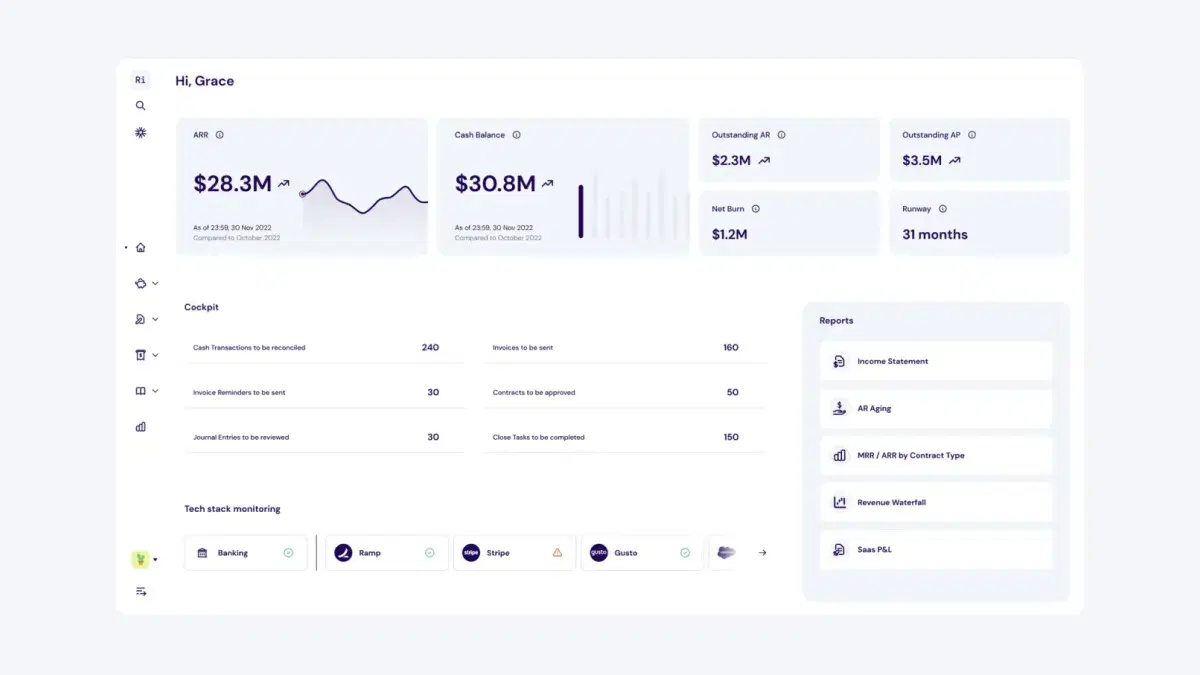
Rillet is a modern, AI-native ERP built for accounting teams to automate invoicing, revenue recognition, and reconciliation in one unified system.
Use Cases: Automates invoice creation, aligns billing with revenue schedules, and reduces manual reconciliation across entities.
Best For: Finance teams looking to replace outdated ERPs and centralize billing, revenue, and reporting workflows to produce cleaner, analysis-ready financial data.
Customers: Windsurf, Bitwarden, Decagon, Postscript
Funding: Over $100M total, including a $70M Series B co-led by Andreessen Horowitz and ICONIQ in 2025, just months after a $25M Series A led by Sequoia Capital.
The tools above represent the new core of accounting, where AI doesn’t just support the close; it accelerates it. From auto-generated workpapers to real-time reconciliations, these platforms are helping teams shift from batch-driven chaos to continuous clarity. For a deeper look at how agents power this transformation, read our full breakdown in AI Agents for Accounting.
AR & AP Automation
Fazeshift
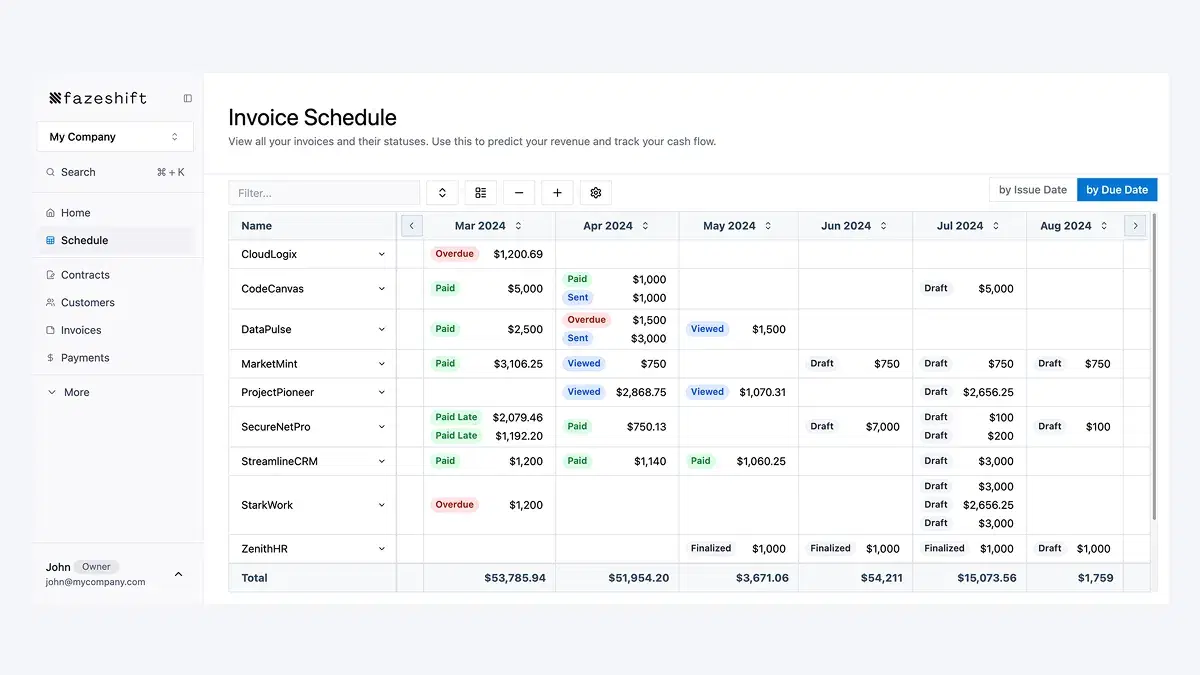
Fazeshift is an AI-native platform that automates the enterprise accounts-receivable workflow, from invoicing through cash application and collections.
Use Cases: Automates invoicing, payment reconciliation, and collections tracking to reduce manual touchpoints and accelerate cash cycles.
Best For: Finance teams that want better AR visibility, fewer errors, and faster cash collection.
Customers: Sigma Computing, Snyk, Meter, Clipboard Health
Funding: $22M total, including a $17M Series A led by F-Prime Capital in 2026, with participation from Gradient Ventures (Google’s AI fund), Y Combinator, and others.
Stampli
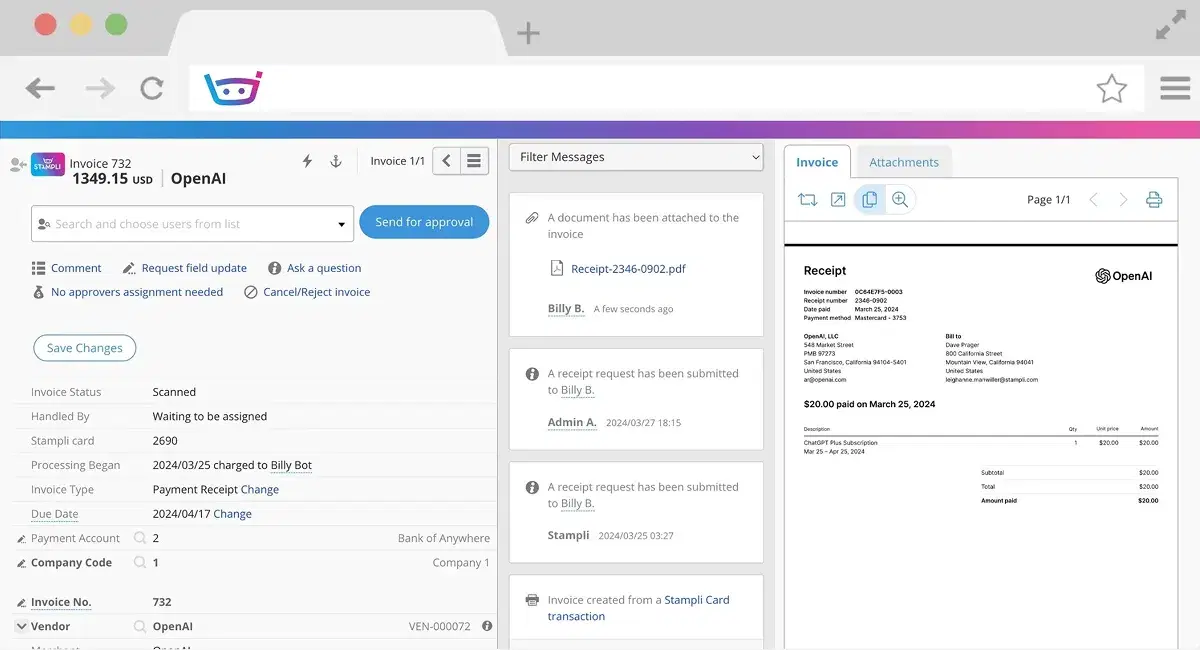
Stampli is an AP automation tool that streamlines invoice capture, approvals, and vendor communication using embedded AI.
Use Cases: Simplifies invoice routing, detects errors or duplicates, and centralizes communications to reduce back-and-forth.
Best For: AP teams that want tighter control over approvals, faster processing, and better audit readiness.
Customers: Avid Acceptance, and AP teams across 20+ industries
Funding: $148M total, including a $61M Series D led by Blackstone with participation from Insight Partners, SignalFire, and others.
Tabs
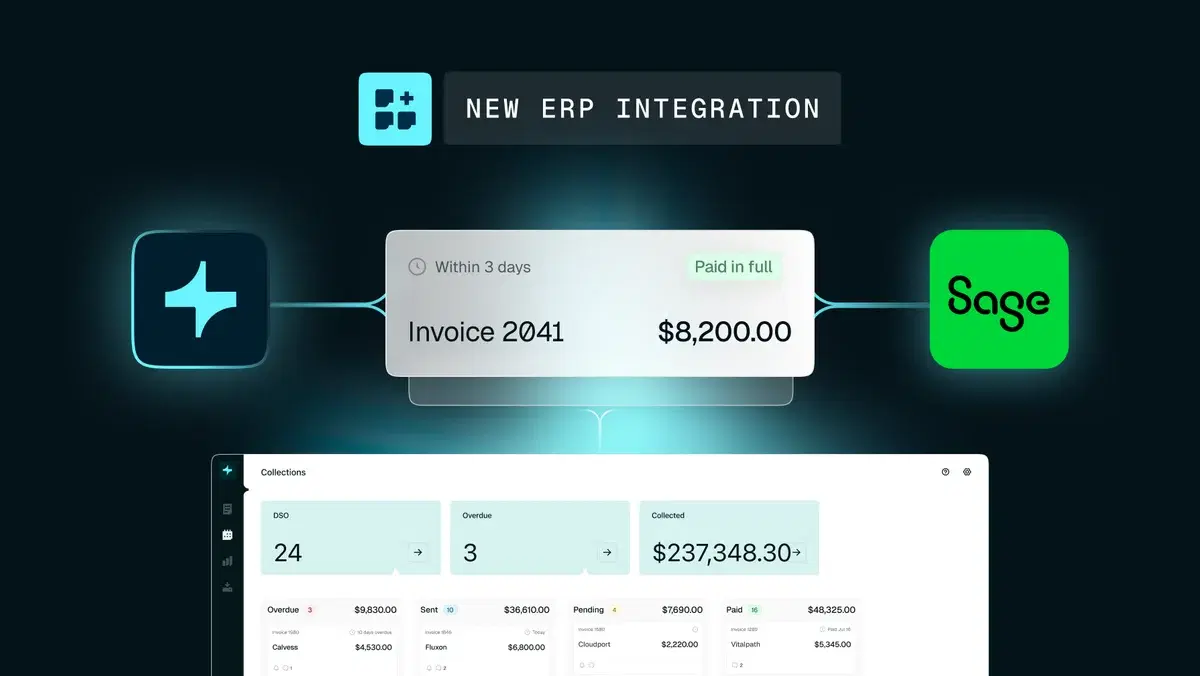
Tabs uses AI agents to automate the full contract-to-cash cycle (billing, revenue recognition, and collections) for B2B finance teams.
Use Cases: Reads contracts, generates invoices and revenue schedules, and runs collections automatically, replacing brittle billing spreadsheets and manual dunning.
Best For: B2B and usage-based businesses with complex billing that want to compress the time from contract to cash.
Customers: Cursor, Statsig
Funding: Over $90M total, including a $55M Series B led by Lightspeed in 2025, with General Catalyst, Primary, and WiL.
Receivables and payables are no longer just transactions; they’re levers for cash optimization. AI-native platforms like Fazeshift, Tabs, and Stampli are proving that automation can drive not just efficiency but better working-capital outcomes. For a deeper look, read AI Agents for AR and AI Agents for AP.
Spend & Expense Management
Mesh
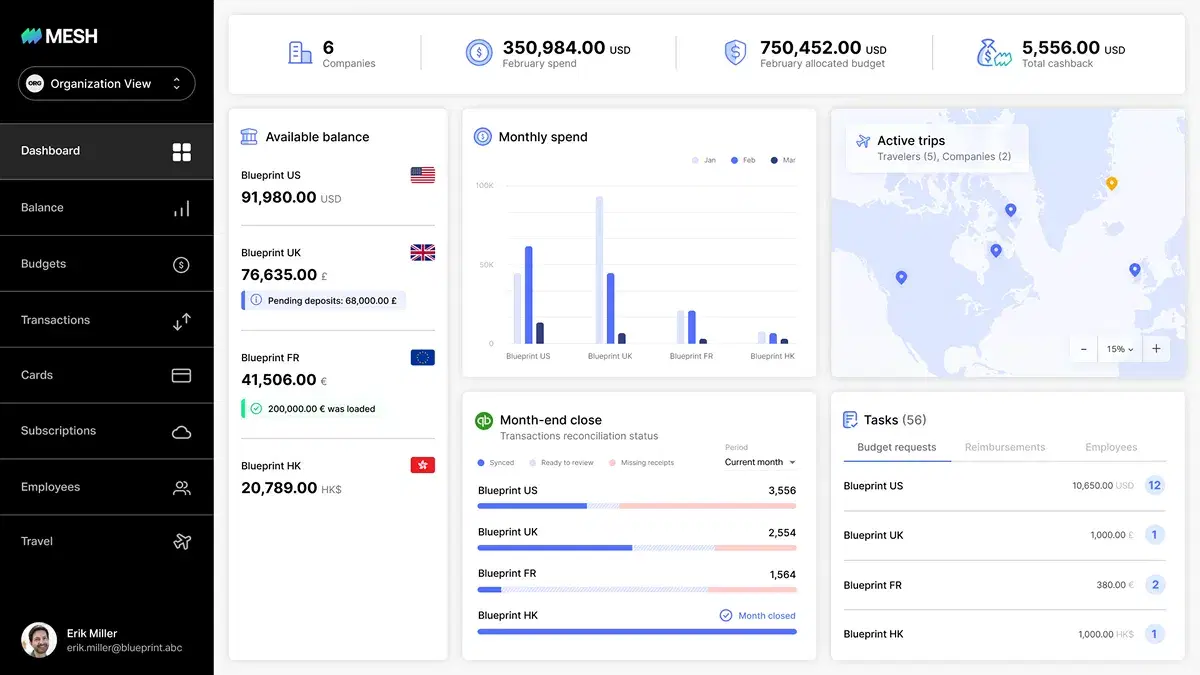
Mesh is a smart spend management platform that provides real-time visibility, controls, and card-level policy enforcement.
Use Cases: Tracks team spending, enforces budgets, and uses AI to recommend optimizations across departments, with integrated corporate cards and travel.
Best For: Finance teams managing distributed spending who want to prevent overages and eliminate manual expense reconciliation.
Customers: monday.com, Hippo, Sezzle, Riskified, Snyk
Funding: $123M total, including a $60M Series C led by Alpha Wave with participation from Tiger Global, TLV Partners, and more.
Digits
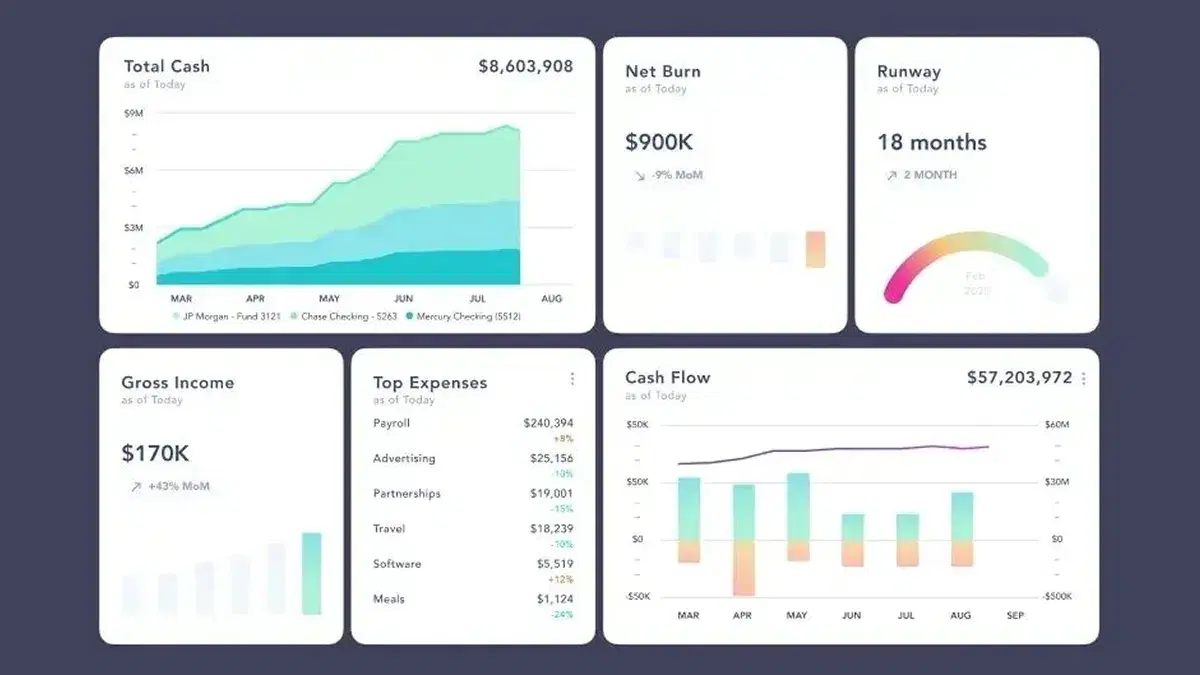
Digits is an AI-native accounting platform built on an autonomous general ledger, turning accounting data into real-time insights and narratives.
Use Cases: Delivers automated variance analysis, alerts, and board-ready visuals directly from your GL. In 2025 it launched an Autonomous General Ledger and agentic accounting workflows.
Best For: Finance teams and founders who want always-on financial visibility without building manual reports.
Customers: Hiline, Armanino, Particle News
Funding: $97.5M total, including a $65M Series C led by SoftBank Vision Fund 2 with participation from GV and Benchmark.
Spend management is shifting from reactive cleanup to proactive control. Tools like Mesh and Digits use AI to provide real-time insight and enforce policy at the point of spend rather than weeks later. For more, read How CFOs Use AI Agents to Streamline Finance Workflows.
Compliance, Audit & Tax Automation
Klarity
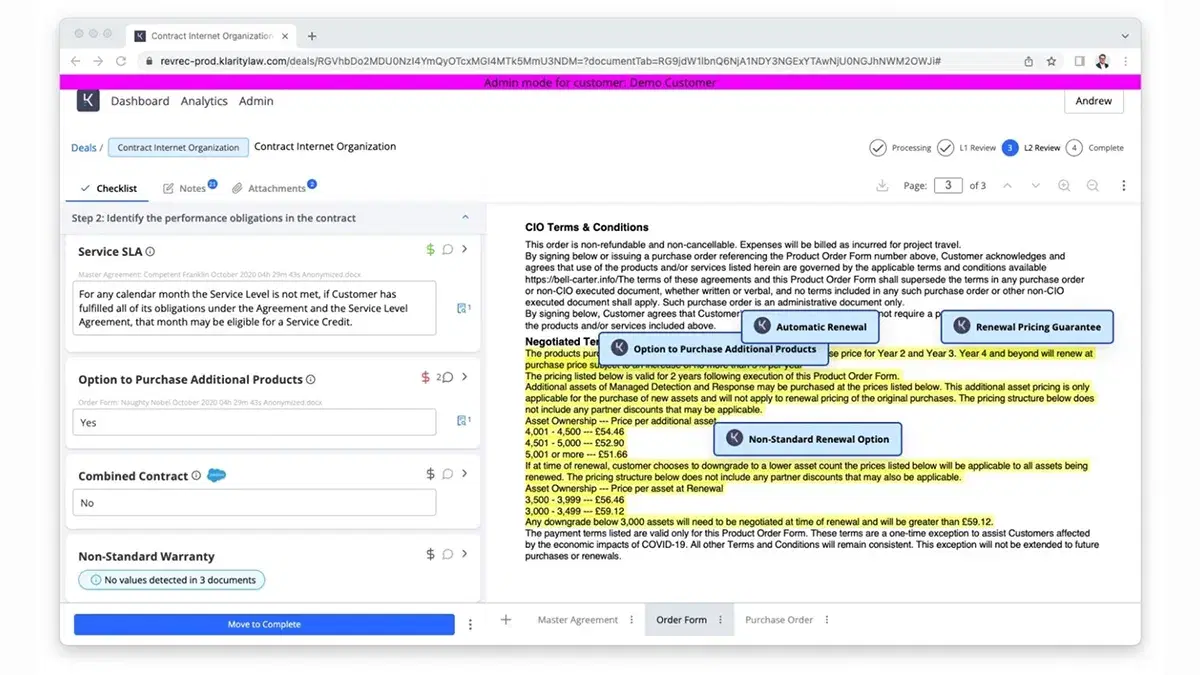
Klarity uses AI to review financial documents like contracts and policies to ensure compliance with accounting standards and audit requirements.
Use Cases: Automates contract review, surfaces revenue recognition and policy risks, and prepares supporting documentation for audits.
Best For: Finance and accounting teams preparing for audits, scaling compliance programs, or standardizing rev rec documentation.
Customers: Stripe, Zoom, DoorDash, CrowdStrike
Funding: ~$90M total, including a $70M Series B led by NFDG (Nat Friedman and Daniel Gross), with participation from Scale Venture Partners, Tola Capital, and more.
Anrok
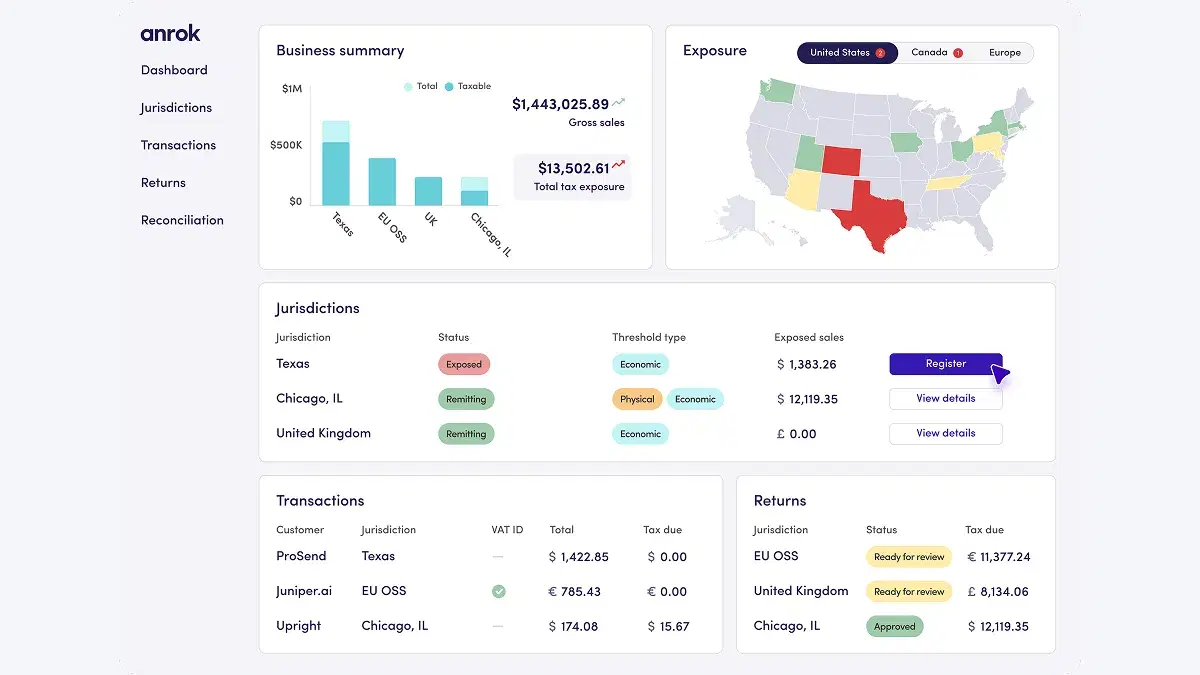
Anrok automates sales tax compliance for SaaS companies with dynamic nexus tracking, filing, and rate calculation across jurisdictions.
Use Cases: Determines tax obligations in real time, files automatically, and helps teams stay compliant as they grow.
Best For: SaaS companies selling across states or globally who need to reduce risk and avoid manual sales tax tracking.
Customers: Notion, Vanta, Anthropic, Cursor
Funding: Over $100M total, including a $55M Series C led by Spark Capital in 2025 (with Sapphire Ventures and existing investors Khosla Ventures, Sequoia, and Index).
Numeral
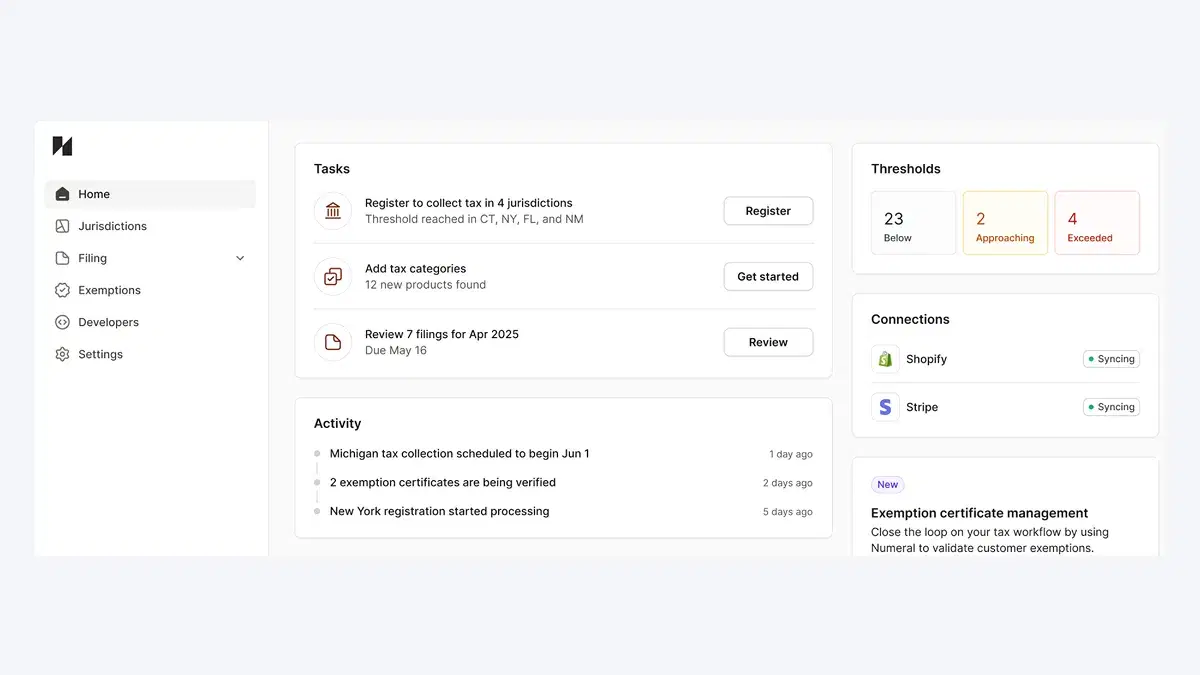
Numeral automates indirect tax workflows, including sales tax and VAT/GST filings, reconciliations, and global compliance reporting.
Use Cases: Syncs data across ERPs and platforms, prepares multi-jurisdictional filings, and maintains accurate audit trails for indirect taxes.
Best For: Finance teams operating across countries or sales platforms who want to reduce the burden of manual tax filing and compliance.
Customers: Eight Sleep, Graza, Manus, Ridge
Funding: $57M total, including a $35M Series B led by Mayfield in 2025 (at a reported $350M valuation), with Benchmark, Uncork, and Y Combinator.
Audit readiness and tax compliance used to be seasonal sprints. Now, with AI agents surfacing exceptions and building support in real time, they’re becoming always-on processes. Klarity, Anrok, and Numeral are leading this shift from documentation to execution. Explore our full perspective on AI Agents for Audit and AI Agents for Tax and Compliance.
From Manual to Intelligent Accounting
AI is transforming accounting from a reactive, manual function into a proactive, strategic engine. By aligning AI-native tools across AR, AP, close, compliance, and spend, accounting teams can achieve not just faster closes but more accurate, real-time insight. The best part? You don’t have to overhaul your stack to get started.
If you’re trying to figure out where to begin, we’ve compiled a list of 30 AI prompts finance teams are using, from journal entry reviews to variance analysis and cash flow modeling. These aren’t hypothetical use cases. They’re live workflows being executed by agents every day.
Concourse brings these tools together, ensuring the clean, structured data from specialized accounting platforms flows seamlessly into planning, reporting, and decision-making, bridging the gap between operations and strategy.
Why Concourse
Concourse builds AI agents for corporate finance teams. Our agents sit on top of your existing systems and automate high-friction workflows like reporting, forecasting, and reconciliation. No reimplementation. No retraining. Just faster execution and better decisions.
Book a demo or reach out to us at hello@concourse.co to see what AI agents can do for your accounting team.
FAQ: Choosing the Best AI Tools for Accounting Teams
What are the top AI tools for automating the financial close process?
Tools like Numeric, Truewind, and Concourse are leading the way in automating financial close. Concourse specifically deploys AI agents that integrate with your ERP and close tools to automate reconciliations, validate entries, and surface blockers before they delay your close.
How do AI agents differ from traditional accounting automation software?
AI agents go beyond automation by executing tasks with context. Concourse agents understand accounting logic, connect directly to systems like NetSuite or SAP, and produce audit-ready outputs.
Which AI tools work best with ERP systems like NetSuite or SAP?
Concourse is built to integrate directly with ERPs and layered tools. Its agents sync in real time with your accounting stack to automate reporting, reconciliation, and forecasting without requiring new system implementations.
Can AI help reduce manual effort in account reconciliations?
Yes. AI tools like Truewind and Concourse automate large portions of the reconciliation process. Concourse agents match transactions, flag anomalies, and generate supporting documentation automatically, saving hours of manual work.
What’s the best way to evaluate AI tools for an accounting team?
Look for tools that connect directly to your systems, produce auditable results, and reduce your team’s workload. Concourse offers agent-led workflows that sit on top of your existing stack with no retraining required.
How can AI improve audit readiness and compliance tracking?
Concourse AI agents continuously track documentation, flag policy deviations, and generate audit trails. This enables always-on audit readiness instead of rushed quarter-end efforts.
Are AI tools useful for accounts receivable and payable operations?
Absolutely. AI tools like Fazeshift, Tabs, and Stampli streamline AR/AP by automating invoice tracking, payment matching, and exception handling. Concourse agents also connect these workflows back into reporting and planning automatically.
How secure are AI tools used in finance and accounting?
Enterprise-grade tools like Concourse prioritize security and compliance. Concourse follows strict data governance protocols, including role-based access and audit logging, to keep sensitive financial data protected.
What kind of results can accounting teams expect from using AI agents?
Teams using Concourse see faster close timelines, fewer reconciliation errors, and significantly reduced manual work. Agents work continuously in the background, freeing the team to focus on reviews and strategic decisions.
Can AI tools help reduce errors in financial reporting?
Yes. Concourse agents analyze your structured data in real time, catching anomalies and helping ensure accuracy before reports are finalized. This reduces downstream rework and improves confidence in your numbers.